
Spring Home Maintenance Checklist for Northwest Houston Homeowners
Spring home maintenance in Northwest Houston is an important part of protecting your home from costly repairs. The combination of heavy rain, humidity, and extreme summer heat can take a toll on homes in Cypress and the surrounding area.
Regular home maintenance helps prevent small problems from turning into larger and more expensive repairs. Many of the issues discovered during home inspections begin as minor maintenance items that were simply overlooked.
This spring home maintenance checklist for Northwest Houston homeowners covers several important areas to inspect around your home.
Why Spring Home Maintenance Is Important
Preventative home maintenance helps protect one of your biggest investments. Homes in the Houston area face unique environmental conditions that can affect roofing, foundations, HVAC systems, and exterior materials.
Routine maintenance helps homeowners:
- Extend the life of major home systems
- Prevent water intrusion and moisture damage
- Improve energy efficiency before summer cooling costs increase
- Identify small issues before they become costly repairs
Many common home problems start small. A clogged HVAC drain line, loose roof flashing, or poor drainage near the foundation may not seem serious at first. Over time, however, these small issues can lead to water damage, foundation movement, or system failures.
1. Service Your Air Conditioning System Before Summer
Air conditioning systems work hard in the Northwest Houston climate. Spring is the ideal time to make sure your system is ready for the long cooling season.
Recommended steps include:
- Schedule professional HVAC service
- Replace or clean air filters
- Clear debris from the outdoor condenser unit
- Check that the condensate drain line is clear
One of the most common problems seen during home inspections in the Houston area is a clogged AC drain line. When the drain line becomes blocked, water can back up and cause damage in the attic or ceiling.
Regular maintenance is recommended by organizations like the U.S. Department of Energy to improve system efficiency and help prevent issues before they occur.
Link to:
https://www.energy.gov/energysaver/maintaining-your-air-conditioner
.
2. Inspect Your Roof After Winter and Spring Storms
Roof damage is not always visible from the ground. Spring storms in Northwest Houston can loosen shingles, damage flashing, or allow debris to collect in roof valleys.
Homeowners should look for:
- Missing or damaged shingles
- Loose flashing around roof penetrations
- Debris buildup in valleys
- Signs of leaks or moisture stains in the attic
Even minor roof damage can allow water intrusion during heavy rain.
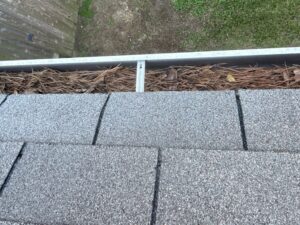
3. Clean Gutters and Downspouts
Gutters play an important role in directing rainwater away from the home and foundation. When gutters become clogged, water can overflow and collect near the foundation.
Spring gutter maintenance should include:
- Removing leaves and debris
- Ensuring downspouts discharge away from the home
- Checking for loose or sagging gutter sections
Proper drainage is especially important in areas like Cypress and Northwest Houston where soil movement can affect foundations.
4. Check Exterior Caulking and Seals
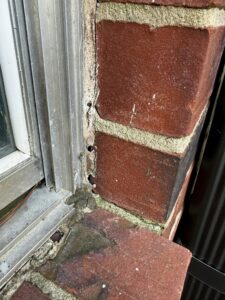
Exterior wall penetrations are common areas where water can enter a home. Sealants and caulking naturally deteriorate over time due to sun exposure and weather.
Inspect areas such as:
- Window frames
- Door frames
- Hose bibs and exterior plumbing
- Electrical and cable penetrations
- Trim and siding joints
Replacing cracked or missing sealant helps keep moisture out of the wall structure.
5. Test GFCI Outlets
Ground Fault Circuit Interrupter outlets are designed to protect against electrical shock and should be tested regularly.
These outlets are typically located in:
- Kitchens
- Bathrooms
- Garages
- Exterior areas
Press the test and reset buttons to confirm they are functioning properly.
6. Look for Early Signs of Foundation Movement
Homes in the Northwest Houston area are built on clay soils that expand and contract as moisture levels change. This natural movement can sometimes cause foundation-related symptoms.
Watch for signs such as:
- Cracks in drywall above doors or windows
- Doors that stick or do not latch properly
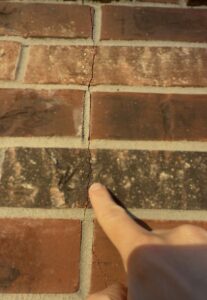
- Cracks in exterior brick or masonry
Small cracks can be normal, but monitoring changes over time is important.
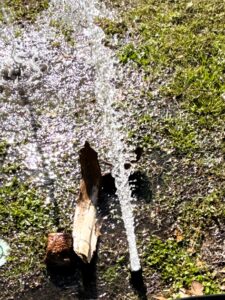
7. Inspect Irrigation Systems and Outdoor Plumbing
Spring is a good time to test irrigation systems and outdoor plumbing before summer watering increases.
Check for:
- Broken sprinkler heads
- Leaking irrigation lines
- Hose bib leaks
- Standing water near the foundation
Improper irrigation can contribute to foundation movement if soil becomes overly saturated.
8. Trim Trees and Landscaping Around the Home
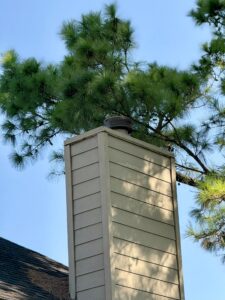
Landscaping should be maintained so it does not damage the home or trap moisture.
Homeowners should:
- Trim tree branches away from the roof
- Cut back bushes touching siding
- Clear vegetation around outdoor HVAC units
Proper landscaping maintenance also helps reduce pest and moisture issues.
Preventative Maintenance Helps Avoid Expensive Repairs
One of the most common things seen during home inspections is small maintenance issues that have been ignored over time.
Clogged HVAC drain lines, roof flashing problems, and poor drainage near the foundation are examples of issues that often start small. If left unaddressed, they can lead to water damage, structural concerns, or costly repairs.
Taking time each spring to inspect your home can help identify these issues early.
Frequently Asked Questions
How often should homeowners perform seasonal maintenance?
Most homes benefit from seasonal maintenance checks at least twice a year. Spring and fall are good times to inspect major systems and address minor issues before extreme weather arrives.
What is the most common maintenance issue found during home inspections?
One of the most common issues in Northwest Houston homes is a clogged HVAC condensate drain line. Because air conditioners run frequently in this climate, drain lines can clog and cause water damage if they are not maintained.
Can regular home maintenance prevent expensive repairs?
Yes. Many major repairs start as small maintenance issues. Routine inspections and preventative maintenance help homeowners identify problems early before they lead to larger structural or system failures.
Should homeowners schedule maintenance inspections?
A professional home maintenance inspection can help identify issues that may not be visible during a routine homeowner check. Inspectors evaluate roofing, electrical systems, HVAC components, drainage, and other areas that affect the overall condition of the home.
Schedule a Home Maintenance Inspection in Northwest Houston
Even homeowners who stay on top of maintenance may not always know what to look for. Many important components of a home are located in areas that are difficult to access or require professional experience to properly evaluate.
A professional home maintenance inspection can help identify early signs of problems and give homeowners peace of mind.
Nest Checkers Home Inspections provides home inspections for homeowners in Cypress and the greater Northwest Houston area.
If you are unsure what to check around your home this spring, we would be happy to help.
Schedule a home maintenance inspection today and make sure your home is ready for the season ahead.