10 Small Home Issues That Can Turn Into Expensive Repairs
Many of the most expensive home repairs don’t start as major problems. They often begin as small maintenance issues that go unnoticed or are put off for another day.
What starts as a minor leak, crack, or clogged drain can eventually lead to costly repairs involving water damage, structural concerns, or system failures.
The good news is that many of these problems can be identified early through regular maintenance and routine inspections.
Here are 10 small home issues that can turn into expensive repairs if left unaddressed.
1. A Clogged HVAC Condensate Drain Line
Your air conditioning system removes moisture from the air, especially during our long, humid Houston summers. That moisture drains through a condensate drain line.
Over time, algae, dirt, and debris can clog the line.
Common warning signs include:
- Water around the indoor unit
- A musty odor near the system
- Rust in the drain pan
- Water stains on ceilings or walls
If ignored, a clogged drain line can cause significant water damage and mold growth.
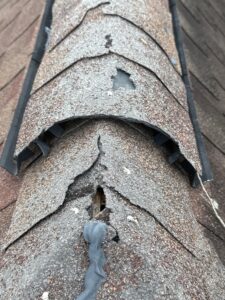
2. Missing or Damaged Roof Shingles
A single missing or damaged shingle may not seem like a big deal.
However, shingles are designed to work together as a system. When one becomes damaged, water can find its way beneath the roofing materials and into the home.
This can lead to:
- Roof leaks
- Damaged decking
- Wet insulation
- Interior ceiling damage
Regular roof inspections can help catch these issues before they become costly repairs.
Check out this InterNACHI – Roof article for a more tips on maintenance, and considerations for home owners when roof repair or replacement is necessary.
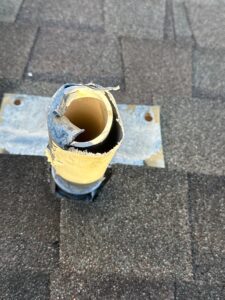
3. Loose or Damaged Roof Flashing
Flashing is installed around roof penetrations such as vents, chimneys, skylights, and wall intersections.
When flashing becomes loose, damaged, or improperly sealed, water often finds a path into the home.
Because flashing defects are not always visible from the ground, they frequently go unnoticed until water damage appears inside.
4. Gutters Full of Debris
Gutters play an important role in directing water away from the home.
When gutters become clogged:
- Water can overflow onto siding
- Fascia boards may deteriorate
- Soil around the foundation can become saturated
- Water may enter crawlspaces or basements in some homes
Cleaning gutters is one of the simplest ways to help prevent moisture-related damage.
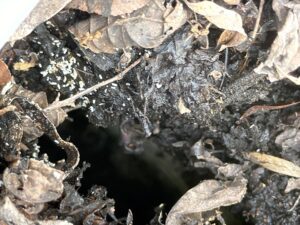
5. Exterior Caulking That Has Failed
The sealant around windows, doors, and exterior penetrations helps keep water out of the home.
Over time, caulking can crack, shrink, or separate from the surfaces it is intended to protect.
This may allow water to enter wall cavities where damage can occur without being visible.
Replacing deteriorated caulking is a relatively inexpensive maintenance item that can help prevent much larger repairs.
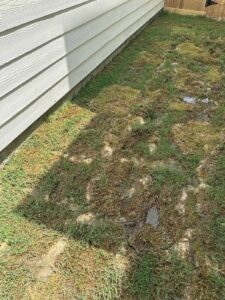
6. Poor Drainage Around the Foundation
Water should always drain away from the home.
When water collects near the foundation, it can contribute to:
- Soil movement
- Foundation settlement
- Brick cracking
- Interior drywall cracking
In the Cypress and Northwest Houston area, where expansive clay soils are common, proper drainage is especially important.
7. Small Foundation Cracks
Not every foundation crack is a major concern, but cracks should never be ignored.
Small cracks can sometimes indicate normal settlement. In other cases, they may be early signs of foundation movement.
Monitoring cracks and addressing drainage concerns early can help prevent larger structural issues from developing.
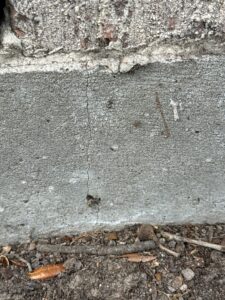
foundation cracks are common and are often related to normal shrinkage or settlement. Recommend monitoring the cracks
for changes in width or displacement. If cracking increases or signs of movement are observed, consult a
structural engineer for further evaluation.
8. Irrigation Leaks and Overspray
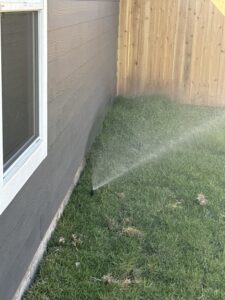
A leaking sprinkler head or improperly adjusted irrigation system may seem harmless.
However, excessive moisture near the foundation can contribute to soil expansion and movement.
Irrigation systems should be checked regularly to ensure water is being distributed properly and not collecting near the home.
9. Attic Ventilation Problems
Attics in Texas can become extremely hot during the summer.
Poor ventilation can contribute to:
- Higher energy bills
- Premature roof aging
- Moisture buildup
- Reduced HVAC efficiency
Because attic ventilation issues are often out of sight, many homeowners don’t realize a problem exists until secondary damage occurs.
10. Inoperative GFCI Outlets
Ground Fault Circuit Interrupter (GFCI) outlets are designed to protect people from electrical shock.
When these outlets fail to operate properly, an important safety feature is lost.
Testing GFCI outlets periodically is a simple step that helps ensure they continue functioning as intended.
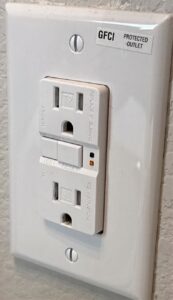
Most GFCI receptacles can be tested in less than a minute:
- Plug a small lamp or device into the outlet and confirm it is receiving power.
- Press the TEST button on the GFCI receptacle. The lamp or device should immediately lose power.
- Press the RESET button. Power should be restored to the outlet.
- If the outlet does not trip when the TEST button is pressed, or if it will not reset afterward, further evaluation and repair by a qualified electrician is recommended.
Remember that a GFCI receptacle may also protect other outlets downstream, so multiple outlets may lose power when the TEST button is pressed.
Small Problems Are Easier and Less Expensive to Fix
One thing we frequently see during home inspections is that costly repairs often begin as small maintenance issues that were overlooked.
Taking care of these items early can help extend the life of your home’s systems and reduce the likelihood of unexpected repair bills.
For additional maintenance tips, be sure to read our Spring Home Maintenance Checklist for Northwest Houston Homeowners, where we cover seasonal maintenance tasks that can help prevent many of the issues discussed above.
Frequently Asked Questions
What is the most common home maintenance issue homeowners overlook?
One of the most common issues is a clogged HVAC condensate drain line. In the Houston area, air conditioners run for much of the year, and clogged drain lines can lead to water damage if they are not cleaned and maintained regularly.
How often should homeowners inspect their homes for maintenance issues?
Homeowners should perform a basic visual inspection at least twice a year, typically in the spring and fall. Regular inspections can help identify small issues before they become costly repairs.
Can small foundation cracks be normal?
Yes. Some minor cracking can occur as a home settles. However, cracks that continue to grow, appear suddenly, or are accompanied by sticking doors, uneven floors, or brick cracking should be evaluated further.
Why is proper drainage around a home important?
Poor drainage can allow water to collect near the foundation. Over time, this can contribute to soil movement, foundation settlement, and moisture intrusion. Proper grading and gutter discharge help move water away from the home.
How can homeowners tell if their roof may have a problem?
Common signs include missing shingles, damaged flashing, water stains on ceilings, moisture in the attic, or visible roof damage after a storm. Regular roof inspections can help identify problems before leaks develop.
How do I test a GFCI outlet?
Plug a small lamp or device into the outlet and verify it has power. Press the TEST button on the GFCI outlet. The device should immediately lose power. Press the RESET button to restore power. If the outlet does not trip or will not reset, further evaluation by a qualified electrician is recommended.
Is preventative home maintenance worth the cost?
Yes. Many expensive repairs begin as small maintenance issues that were not addressed early. Routine maintenance can help extend the life of major home systems and reduce the likelihood of unexpected repair expenses.
When should I schedule a home maintenance inspection?
A maintenance inspection can be beneficial if you are unsure what to look for, have not had the home professionally evaluated in several years, are preparing for a major season change, or simply want a better understanding of your home’s condition.
Not Sure What to Look For?
Many home maintenance concerns develop in areas that homeowners rarely see, such as attics, roofs, HVAC systems, and exterior drainage components.
A professional maintenance inspection can help identify potential issues before they become major repairs.
At Nest Checkers Home Inspections, we help homeowners in Cypress and the greater Northwest Houston area better understand the condition of their homes and prioritize maintenance items before they become costly problems.
Schedule a maintenance inspection today and gain confidence that your home is ready for the seasons ahead.