
Fall Home Maintenance Checklist for Northwest Houston Homeowners
Fall home maintenance in Northwest Houston is an important part of protecting your home and preventing costly repairs. After months of intense summer heat, high humidity, and heavy rain, your home’s systems and exterior materials may need some attention.
For homeowners in Cypress, Tomball, Magnolia, Spring, and surrounding Northwest Houston communities, fall is an ideal time to take care of preventative maintenance before cooler temperatures and occasional winter freezes arrive.
The good news? Many expensive home repairs begin as small, manageable problems. A deteriorated seal, clogged gutter, leaking pipe, or neglected heating system can become a much bigger headache when left unaddressed.
At Nest Checkers Home Inspections, we believe understanding your home’s condition is one of the best ways to protect your investment.
Here’s our fall home maintenance checklist for Northwest Houston homeowners, including what to check, why it matters, and how to stay ahead of costly repairs.
Why Fall Home Maintenance Matters in Northwest Houston
Houston may not have the harsh winters experienced in northern states, but our homes face their own challenges.
Extreme summer heat can deteriorate exterior materials. Heavy rain can expose drainage problems. High humidity can contribute to moisture concerns. And while freezing temperatures aren’t an everyday occurrence, even a short hard freeze can cause significant plumbing damage.
Regular preventative maintenance can help you:
- Prevent expensive repairs: Identify small issues before they develop into major problems.
- Extend the life of major systems: Keep HVAC equipment, roofing, and plumbing functioning properly.
- Improve energy efficiency: Reduce unnecessary heating and cooling costs.
- Protect against water damage: Address leaks, drainage concerns, and deteriorated seals.
- Prepare for unexpected weather: Reduce the risk of damage during winter cold snaps and storms.
Think of seasonal maintenance as a routine checkup for your home. You don’t have to wait until something stops working to give it attention.
1. Have Your Heating System Inspected Before Cooler Weather Arrives
After running your air conditioner for most of the year, it’s easy to forget about the heating side of your HVAC system.
Before the first cold front arrives, schedule a professional heating system inspection and service.
Your fall HVAC maintenance should include:
- Having a qualified technician inspect and service the heating equipment.
- Replacing or cleaning air filters.
- Testing the thermostat in heating mode.
- Checking that supply and return vents are unobstructed.
- Having combustion and venting components evaluated on gas-fired heating systems.
Why it matters: A neglected heating system can operate inefficiently, fail when needed, or present safety concerns. Gas-fired equipment can also create carbon monoxide hazards when components are defective.
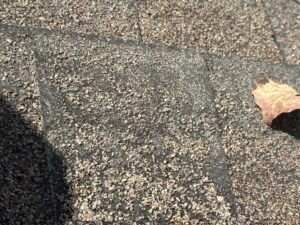
2. Inspect Your Roof for Damage and Debris
Houston’s summer storms, intense sunlight, and heat can take a toll on roofing materials.
Fall is a good time to check for damage before winter weather arrives.
From the ground, look for:
- Missing, lifted, or damaged shingles.
- Debris collecting in roof valleys.
- Loose or deteriorated flashing.
- Damaged roof penetrations.
- Visible sagging or irregularities in the roof surface.
Also pay attention to water stains or other signs of moisture in accessible attic areas.
Why it matters: Even a small opening in the roof covering can allow water into the structure. What begins as a minor roofing repair can eventually lead to damaged decking, insulation, ceilings, and framing.
Avoid walking on the roof yourself. Have a qualified roofing professional evaluate suspected damage.
3. Clean Gutters and Check Drainage Around Your Foundation
Proper drainage is particularly important for homes in Cypress and Northwest Houston.
The expansive clay soils found throughout much of our area can swell when wet and shrink during dry periods. Uneven moisture conditions can contribute to foundation movement.
Your fall drainage checklist should include:
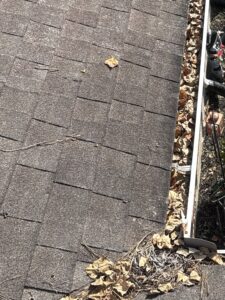
- Removing leaves and debris from gutters.
- Checking downspouts for blockages.
- Ensuring water discharges away from the foundation.
- Looking for areas where water collects near the home.
- Checking for soil erosion or changes in grading.
Why it matters: Poor drainage can contribute to soil movement, foundation concerns, and moisture intrusion.
4. Inspect Exterior Caulking, Weatherstripping, and Seals
Summer heat and sun exposure can cause exterior sealants to deteriorate over time.
Fall is an ideal opportunity to check areas where water, air, and pests may enter the home.
Pay particular attention to:
- Caulking around windows and doors.
- Weatherstripping at exterior doors.
- Gaps around plumbing and electrical penetrations.
- Deteriorated sealant at siding and trim joints.
- Damaged or missing door sweeps.
Why it matters: A small gap can allow water into wall cavities or conditioned air to escape. Addressing these openings early can help prevent hidden moisture damage and unnecessary energy loss.
5. Prepare Exterior Plumbing for Freezing Temperatures
We don’t get many freezing days in Northwest Houston, but when temperatures drop significantly, unprotected plumbing can be vulnerable.
Before freezing weather arrives:
- Identify exterior hose bibs and exposed piping.
- Remove garden hoses from outdoor faucets.
- Insulate vulnerable exposed water lines.
- Locate your home’s main water shutoff valve.
- Check for existing plumbing leaks.
- Review your home’s freeze protection needs.
Why it matters: Water expands when it freezes. Frozen pipes can rupture and cause significant water damage when they thaw.
Taking precautions before a freeze is much easier than dealing with a flooded home afterward.
6. Check Your Attic Insulation and Ventilation
Your attic works hard year-round, especially during Houston summers.
Fall is a good time to check for conditions that may affect your home’s energy efficiency and moisture management.
Look for:
- Missing, displaced, or compressed insulation.
- Blocked soffit vents or ventilation openings.
- Disconnected bathroom exhaust ducts.
- Signs of roof leaks or moisture staining.
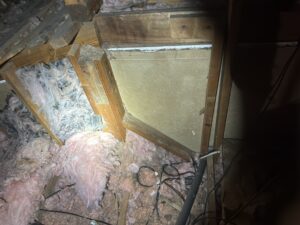
- Damaged or improperly installed attic access covers.
Why it matters: Inadequate insulation can increase heating and cooling costs, while ventilation and exhaust defects can contribute to moisture problems.
Only enter attic areas that are safely accessible. Avoid stepping between framing members or disturbing electrical wiring.
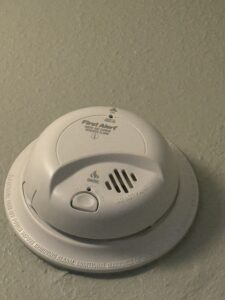
7. Test Smoke and Carbon Monoxide Alarms
Fall is a good reminder to check the safety devices throughout your home.
Test smoke alarms and carbon monoxide alarms according to the manufacturer’s instructions.
Also check:
- Whether alarms are installed in appropriate locations.
- Battery condition, where applicable.
- Expiration or replacement dates.
- Whether any alarms have been disconnected or removed.
Why it matters: Working alarms provide an important warning when smoke or dangerous carbon monoxide levels are detected.
Homes with fuel-burning appliances or attached garages should pay particular attention to carbon monoxide protection.
8. Inspect Your Fireplace and Chimney Before Use
A fireplace may sit unused for much of the year in Houston, but that doesn’t mean it’s ready for the first cold evening.
Before using your fireplace:
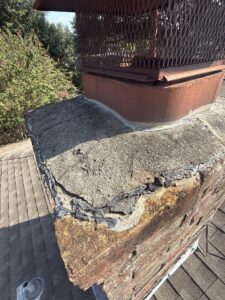
- Look for visible damage to the firebox.
- Check for deteriorated mortar or damaged firebrick.
- Look for signs of water intrusion around the chimney.
- Make sure the damper operates properly.
- Arrange for professional chimney inspection and cleaning.
Why it matters: Damaged chimney components, accumulated deposits, or blocked flues can create fire and carbon monoxide hazards.
Have the fireplace and chimney cleaned and further evaluated by a qualified, certified chimney sweep before use.
9. Trim Trees and Maintain Landscaping
After a long growing season, trees and shrubs may be closer to your home than you realize.
Fall landscaping maintenance should include:
- Trimming branches away from the roof.
- Removing dead or damaged limbs.
- Cutting back vegetation touching exterior walls.
- Keeping plants clear of HVAC equipment.
- Removing wood debris and dead stumps near the home.
Why it matters: Overhanging branches can damage roofing materials during storms. Vegetation against exterior walls can trap moisture, while wood debris and stumps can create conditions favorable to wood-destroying insects.
10. Check Windows, Doors, and Garage Door Safety Features
Doors and windows are used every day, making gradual deterioration easy to overlook.
During your fall maintenance check:
- Open and close accessible windows.
- Check that exterior doors latch and seal properly.
- Look for deteriorated weatherstripping.
- Check for damaged window screens.
- Test garage door safety reversal features according to the manufacturer’s instructions.
Why it matters: Minor issues with seals, hardware, or safety features can affect energy efficiency, security, and occupant safety.
A door that doesn’t seal properly may also allow water intrusion during wind-driven rain.
The Cost of Putting Off Home Maintenance
One of the most important things homeowners should understand is that small problems rarely become less expensive when ignored.
Consider a few examples:
- A small roof leak can eventually damage insulation, ceilings, and structural materials.
- A leaking hose bib can waste water and contribute to excessive soil moisture near the foundation.
- Deteriorated exterior caulking can allow hidden water damage inside a wall.
- A neglected heating system may fail when you need it most.
- An exposed pipe can freeze and rupture during an unexpected cold snap.
Not every small issue becomes a major repair, but routine maintenance gives homeowners an opportunity to address problems before they escalate.
For additional examples, check out our article, 10 Small Home Issues That Can Turn Into Expensive Repairs.
How Often Should You Perform Home Maintenance?
We recommend reviewing your home’s maintenance needs throughout the year, with more thorough seasonal checks in the spring and fall.
Spring maintenance focuses heavily on preparing for summer heat, air conditioning demands, and heavy rain.
Fall maintenance focuses on addressing summer wear, checking heating systems, maintaining drainage, and preparing for colder weather.
For a complementary list, visit our Spring Home Maintenance Checklist for Northwest Houston Homeowners.
Not Sure What to Look For? Schedule a Home Maintenance Inspection.
You don’t have to wait until you’re buying or selling a home to have it inspected.
Many homeowners are comfortable handling basic maintenance tasks but aren’t sure how to recognize potential problems with roofing, foundations, plumbing, electrical systems, or other important components.
That’s where a professional maintenance inspection can help.
At Nest Checkers Home Inspections, we help homeowners understand the visible condition of their homes, identify deficiencies, and make informed decisions about maintenance and repairs.
Whether you’ve lived in your home for two years or twenty, a maintenance inspection can provide valuable information about areas that may need attention.
We proudly serve Cypress, Tomball, Magnolia, Spring, Hockley, Waller, and the greater Northwest Houston area.
Not sure what to look for? We’ll help you find out.
Schedule Your Home Maintenance Inspection
Focused on facts. Committed to clarity.
Frequently Asked Questions About Fall Home Maintenance
When should I start fall home maintenance in Houston?
September through November is a practical window for fall maintenance in Northwest Houston. Ideally, heating system service, roof checks, and basic exterior maintenance should be completed before the first significant cold front. Freeze preparation should be completed before freezing temperatures are forecast.
Do Houston homes really need winter preparation?
Yes. Although Houston winters are generally mild, occasional hard freezes can damage exposed plumbing and other vulnerable components. Basic preparation can help reduce the risk of expensive repairs.
What is the most important fall maintenance task?
There isn’t one task that’s most important for every home. Heating system service, roof condition, drainage, and freeze protection are all priorities. The age and condition of your home should guide what receives attention first.
How often should I schedule a home maintenance inspection?
The appropriate frequency depends on your home’s age, condition, and maintenance history. An annual maintenance inspection can be a useful starting point, especially for homeowners who want an independent assessment of visible conditions.
Is a maintenance inspection the same as a home inspection when buying a house?
Both involve evaluating accessible home systems and components, but the purpose is different. A buyer’s inspection helps inform a purchase decision, while a maintenance inspection helps an existing homeowner identify deficiencies and plan repairs and upkeep.